
The Climate Solution I Want to Take Home
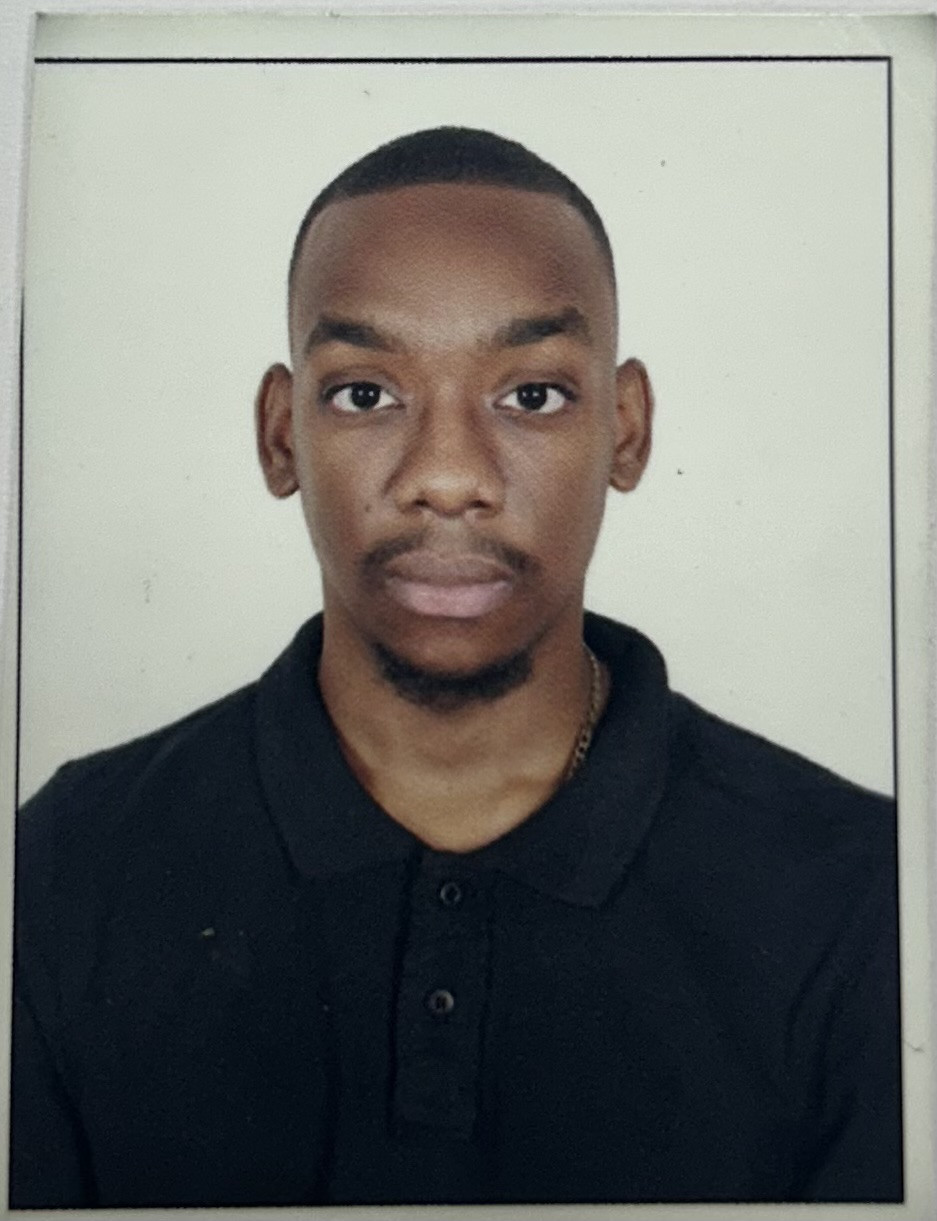
When I think about climate change, I do not first think about a conference hall filled with diplomats, flags and people negotiating paragraphs of text. I think about home.
I think about communities in Mozambique where agriculture is not simply a business. It is food, income, family and survival. I think about places where access to electricity, clean water, information and environmental education is still limited. I think about farmers who may not use the language of “climate adaptation”, but already understand when the rains are changing, when a season is becoming harder to predict, or when the land is no longer producing as it once did.
This is why climate action is personal to me.
Mozambique is highly exposed to climate risks, while many communities have limited resources to respond. At the same time, the country is working to improve both climate resilience and access to clean energy. Mozambique’s current climate plans include stronger agricultural resilience, climate-smart agriculture, renewable energy for irrigation and water pumping, better water management, and cleaner energy access. (UNFCCC)
But a question remains: How do we turn national plans and international climate discussions into something people can actually feel in their daily lives?
For me, the answer begins with connecting climate policy to local needs.
During my studies in Chemical Engineering, I became interested in the connection between waste, energy and development. One of my projects explored anaerobic digestion, where organic waste can be converted into biogas. I also developed the idea of using biogas and other renewable energy sources to support rural communities through small local energy systems.
The idea is simple.
A community produces agricultural and organic waste. Instead of treating that waste only as something to throw away or burn, it can become a resource. It can produce biogas for cooking, electricity for homes and small businesses, and digestate that can potentially support agriculture as a soil input.
Imagine a small community where farmers can bring agricultural waste to a local biogas system. The system produces energy for lighting, cooking, refrigeration, water pumping or small agricultural activities. Solar power can be added where appropriate. Suddenly, waste management, agriculture, energy access and climate action are no longer separate problems.
They become one solution.
This is the kind of thinking I want to take back to Mozambique.
But Y4COP has taught me that technology alone is not enough.
One of the most important lessons I have taken from climate discussions is the value of local and Indigenous knowledge. Climate action should not assume that useful knowledge only comes from laboratories, universities or international organisations. Communities have been observing their land, water, forests, seasons and ecosystems for generations.
The UNFCCC recognises that local, Indigenous and traditional knowledge can provide detailed, long-term observations of environmental changes and can help communities choose adaptation measures that fit their local environment, values and way of life. (UNFCCC)
This is particularly important to me because of where I come from.
In many African communities, older generations carry knowledge that is rarely written in scientific papers. They know which areas hold water after heavy rain, which crops survive difficult seasons, which trees protect the soil, when certain environmental changes usually occur, and how communities have traditionally responded to droughts, floods and changes in rainfall.
Modern science should not replace this knowledge.
It should work with it.
This is also where the idea of Community-Based Adaptation becomes important. A climate solution should not simply be designed somewhere far away and delivered to a community. People should be part of identifying the problem, designing the solution and deciding whether it works.
At COP29, governments adopted the Baku Workplan to strengthen the participation of Indigenous Peoples and local communities in climate action, including knowledge exchange, capacity building and the inclusion of different knowledge systems in climate policies. (UNFCCC)
For me, this is more than a policy discussion.
It is a practical principle.
If I return to my community with knowledge from Y4COP, I do not want to arrive saying, “I have the climate solution.” I want to ask, “What is changing here? What are you already doing? What is working? What is becoming harder? And how can science, technology and finance help?”
That difference matters.
My interest in agriculture and energy comes from the same place. Farmers need reliable energy to pump water, process crops, store food and create businesses. Communities need clean cooking solutions. Organic waste needs better management. Water systems need to become more resilient. Young people need skills and opportunities to work on these problems without having to leave their communities.
Climate action can connect all of these needs.
Mozambique has made progress in expanding electricity access. Electricity access increased from 31% in 2018 to about 60% by the end of 2024, providing electricity services to around 9.5 million people. (World Bank) But national progress should not make us forget the communities that remain underserved or the importance of affordable and locally appropriate solutions.
That is why I see my role as a bridge.
I want to understand the science, but also the policy. I want to understand climate finance, but also the reality of a farmer who cannot afford an expensive technology. I want to learn about global negotiations, but also understand how those decisions affect a family in rural Mozambique.
Y4COP gives me an opportunity to build that bridge.
The programme is designed to help young people understand COP processes, communicate climate ideas and engage with global climate discussions. (Youth 4 COP) For me, this learning has value only if it eventually travels beyond the COP space.
It must travel home.
I imagine a future where a young engineer from Mozambique works with farmers, community leaders, researchers and policymakers to develop small-scale systems that turn agricultural waste into energy, improve water access, reduce environmental damage and create local economic opportunities.
It will not solve climate change by itself. But climate change will not be solved by one technology either. We need thousands of local solutions connected to a larger global effort.
My COP story is therefore not about wanting to speak for my community. It is about learning how to listen to it better, while gaining the knowledge and tools needed to help turn local ideas into stronger climate action.
The climate conversation may happen in conference rooms around the world.
But its success will ultimately be measured somewhere much closer to home: in the field, at the water point, in the kitchen, in the small business, and in the lives of the people who depend on the environment every day.
That is the climate future I want to help build in Mozambique.
And that is the knowledge I want to take home.
NOTE: AI was used in the structural design and organisation of this piece, as well as for spelling, grammar and writing checks. The personal experiences, projects, community perspective, interests and ideas expressed in the story are based on my own background and work.


Comments